
Hinduism in Myanmar: A History of Faith, Culture, and Enduring Heritage
Hinduism has been an integral part of Myanmar’s cultural and historical landscape for nearly two thousand years. Although Buddhism is the country’s dominant religion today, Hindu traditions, beliefs, and customs have significantly influenced Myanmar’s art, architecture, literature, language, and religious practices. From ancient Indian traders who arrived on Myanmar’s shores to the modern Hindu community that continues to preserve its heritage, Hinduism has played an important role in shaping the country’s diverse identity.
Early Arrival of Hinduism in Myanmar
The roots of Hinduism in Myanmar date back to the early centuries of the Common Era when Indian merchants, sailors, and scholars established trade routes across the Bay of Bengal. These traders not only exchanged goods such as spices, textiles, and precious stones but also introduced Indian religious beliefs, customs, and culture.
The ancient Pyu city-states, flourishing between the 2nd century BCE and the 9th century CE, were among the first to experience Indian cultural influence. Archaeological discoveries, including inscriptions written in Sanskrit and images of Hindu deities, demonstrate the presence of Hinduism during this period. As commerce expanded, Indian influence spread further into the Mon and Bagan kingdoms, where Hindu traditions blended with local customs.
Hindu Influence During the Bagan Empire
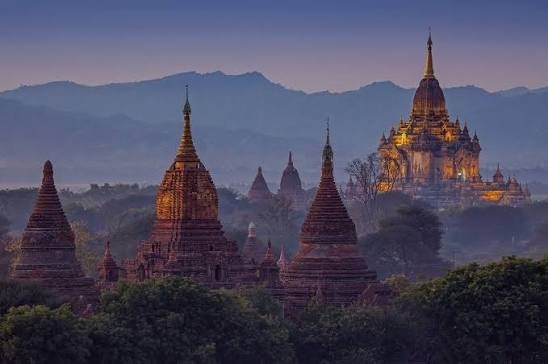
The Bagan Empire, which flourished between the 9th and 13th centuries, marked one of Myanmar’s greatest periods of cultural and religious development. While Theravada Buddhism became the state religion under King Anawrahta, Hinduism continued to enjoy royal patronage and respect.
Many temples built during the Bagan period feature sculptures and carvings of Hindu gods such as Shiva, Vishnu, Brahma, Ganesha, Lakshmi, and Saraswati. Hindu mythology also found its way into temple murals and literary works. The coexistence of Hinduism and Buddhism during this era created a unique religious harmony that remains evident in Myanmar’s historical monuments.
Cultural Contributions of Hinduism
Hinduism has left a lasting impact on Myanmar’s culture beyond religion. Sanskrit and Pali vocabulary entered the Burmese language through Indian influence. Many royal ceremonies, astrology, traditional calendars, and court rituals were inspired by Hindu customs.
The Hindu epic Ramayana became widely known in Myanmar through a local adaptation called Yama Zatdaw, often regarded as Myanmar’s national version of the Ramayana. The story of Lord Rama has been performed for centuries through traditional dance, theatre, and puppet shows, illustrating the deep cultural exchange between India and Myanmar.
Traditional Burmese astrology, coronation rituals, and ceremonial practices also incorporate elements derived from Hindu beliefs, demonstrating the long-standing influence of Indian civilization.
The Indian Diaspora and Growth of Hindu Communities
During British colonial rule in the 19th and early 20th centuries, large numbers of Indians migrated to Burma (now Myanmar) to work in administration, trade, railways, agriculture, and commerce. Many migrants came from present-day Tamil Nadu, Andhra Pradesh, Gujarat, Odisha, Bihar, and West Bengal.
These communities established numerous Hindu temples, educational institutions, and cultural organizations throughout Yangon (formerly Rangoon), Mandalay, Bago, and other cities. Hindu festivals such as Diwali, Navaratri, Durga Puja, Ganesh Chaturthi, and Thaipusam became important annual celebrations among the Indian-origin population.
Although many Indians left Myanmar after independence and subsequent political changes during the 1960s, a dedicated Hindu community continues to preserve its religious traditions.
Hindu Temples in Myanmar
Myanmar is home to several historic Hindu temples that continue to attract devotees and visitors alike.
The Shri Kali Temple in Yangon is among the country’s most famous Hindu temples. Dedicated to Goddess Kali, it serves as an important center for worship and cultural activities.
The Sri Venkateswara Temple, also located in Yangon, is one of Myanmar’s oldest South Indian Hindu temples. Built by Tamil merchants, it remains a significant place of worship for devotees of Lord Vishnu.
Other notable temples include the Shree Geeta Temple, dedicated to Lord Krishna, and various temples devoted to Lord Ganesha, Shiva, and Murugan across Yangon and Mandalay.
These temples not only serve religious purposes but also preserve Indian art, architecture, music, and community traditions.
Hindu Festivals in Myanmar
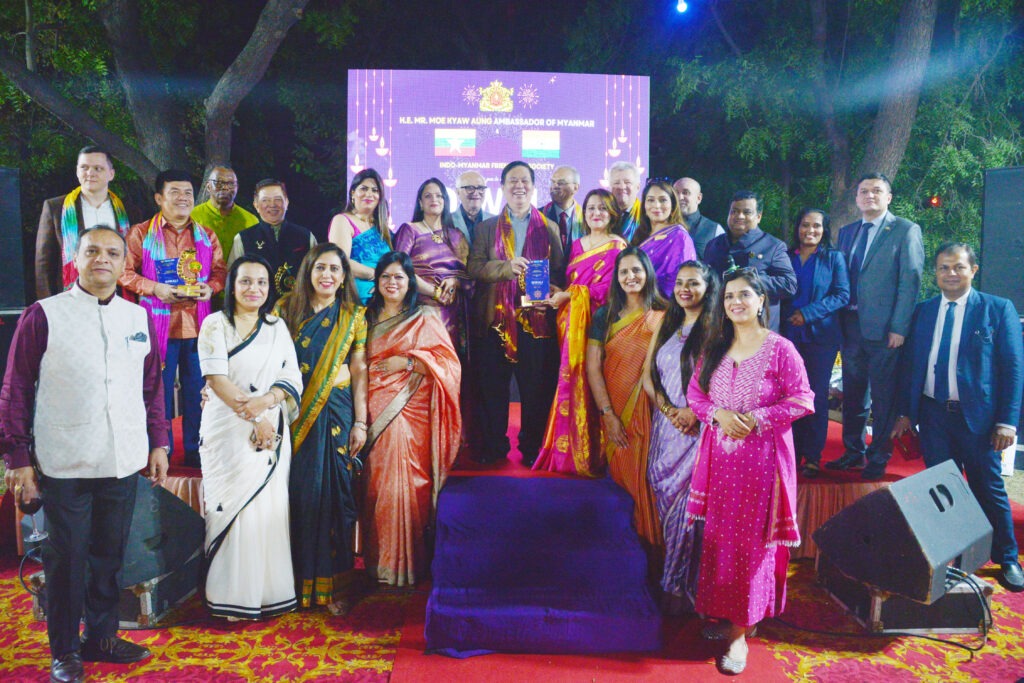
Diwali Celebration in Myanmar
Myanmar’s Hindu community celebrates major festivals with great devotion and enthusiasm.
Diwali, the Festival of Lights, is observed with prayers, lamps, sweets, and cultural gatherings. Navaratri and Durga Puja honor the Divine Mother through music, dance, and religious ceremonies. Ganesh Chaturthi celebrates Lord Ganesha with elaborate decorations and community prayers, while Thaipusam is especially significant among Tamil Hindus.
These festivals strengthen community bonds and showcase Myanmar’s multicultural heritage.
Present-Day Hindu Population
Hindus today constitute a small minority in Myanmar, representing roughly 0.5% of the population, or around 250,000–300,000 people. Most reside in Yangon, Mandalay, Bago, and other urban centers. The community primarily consists of people of Indian origin, along with a small number of ethnic Burmese Hindus.
Despite being a minority, Myanmar’s Hindus actively contribute to education, healthcare, commerce, and social service. Hindu organizations continue to promote religious education, charitable work, and cultural preservation.
Challenges Faced by the Hindu Community
Like many minority communities, Hindus in Myanmar have experienced various challenges over the decades, including political instability, migration, economic hardships, and occasional communal tensions.
Nevertheless, the community has remained resilient by maintaining its temples, celebrating festivals, and preserving its cultural identity. Religious harmony between Hindus and Buddhists continues in many parts of the country, reflecting centuries of shared history.
India-Myanmar Cultural Relations
The shared heritage of Hinduism has strengthened cultural ties between India and Myanmar for centuries. Cultural exchanges, restoration of historical monuments, academic research, and diplomatic cooperation continue to highlight the deep historical connections between the two nations.
Pilgrims, scholars, and tourists from India regularly visit Myanmar’s historic temples, while Myanmar’s rich Buddhist heritage also attracts thousands of Indian visitors each year, fostering mutual understanding and respect.
Conclusion
The history of Hinduism in Myanmar is a remarkable story of cultural exchange, religious coexistence, and enduring tradition. From ancient maritime trade and the Pyu civilization to the grandeur of the Bagan Empire and the vibrant Indian diaspora, Hinduism has contributed significantly to Myanmar’s civilization. Although Hindus form a small minority today, their temples, festivals, literature, and traditions remain an integral part of Myanmar’s multicultural identity. As India and Myanmar continue to strengthen their historical and cultural ties, the shared legacy of Hinduism stands as a testament to centuries of friendship, faith, and mutual respect.